


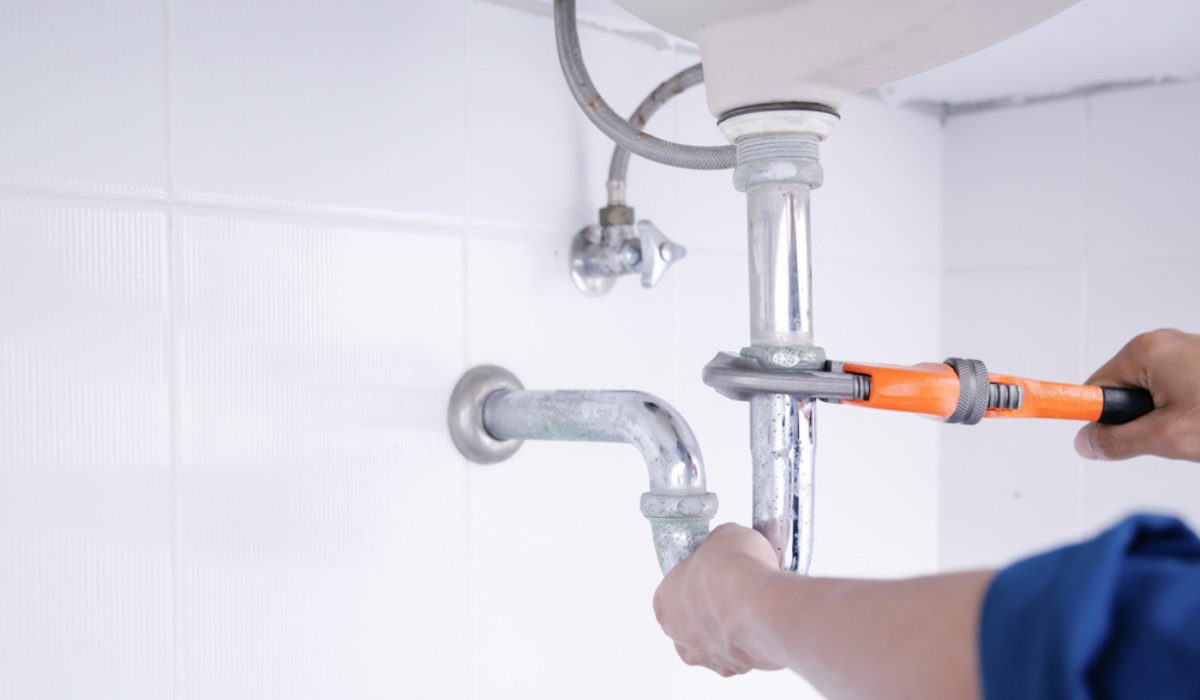
Plumbing: The Silent Backbone of Civilization
Plumbing is one of those essential systems we rarely think about until something goes wrong. Yet, it is the quiet, unsung hero of every modern structure—working behind walls and beneath floors to deliver comfort, sanitation, and efficiency. From providing clean drinking water to efficiently managing waste, plumbing ensures the health, functionality, and habitability of our homes and cities. Its role, though concealed, is foundational to our everyday lives. In fact, without plumbing, civilization as we know it would cease to function.
A Brief History: From Clay Pipes to Smart Systems
The concept of plumbing is ancient. The earliest known systems date back to 4000 BCE in the Indus Valley, where rudimentary drainage and water supply channels were crafted from baked clay. The Romans advanced the art with aqueducts and lead piping, many of which lasted for centuries.
Fast forward to the 19th century and the birth of modern plumbing emerged alongside the rise of urban development. Innovations like indoor toilets, cast iron piping, and water heaters transformed how people lived. In today’s world, plumbing continues to evolve—integrating with smart technology, green building practices, and cutting-edge materials to meet the demands of modern lifestyles.
Core Components of a Residential Plumbing System
Understanding the basic anatomy of a plumbing system helps appreciate its significance and complexity.
1. Water Supply System
-
Delivers fresh, potable water from a municipal source or well
-
Pressurized through a main valve, typically located near the water meter
-
Branches out to supply sinks, showers, toilets, appliances, and outdoor taps
2. Drain-Waste-Vent (DWV) System
-
Carries wastewater and sewage away from the home
-
Vents regulate air pressure to allow efficient draining
-
Prevents harmful sewer gases from entering the living space
3. Fixtures and Appliances
-
Includes faucets, toilets, tubs, dishwashers, washing machines, and more
-
Each requires precise installation and sealing to ensure leak-free function
-
Modern versions often feature water-saving and smart technology
Plumbing Materials: Tradition Meets Technology
Over the years, plumbing has transitioned from simple materials to sophisticated, sustainable options.
Common Plumbing Materials:
-
Copper: Durable and long-lasting; ideal for both hot and cold water lines
-
PEX (Cross-linked Polyethylene): Flexible, easy to install, and resistant to corrosion
-
PVC (Polyvinyl Chloride): Lightweight and affordable, commonly used for drain lines
-
Cast Iron: Still found in older homes; known for sound-deadening qualities and strength
-
Brass and Stainless Steel: Premium materials often used for specialized fittings
Each material has specific use cases and should be chosen based on factors such as water pressure, temperature, building codes, and budget.
The Role of the Professional Plumber
Plumbing may seem straightforward, but it is a highly skilled trade that requires deep technical knowledge and practical expertise. A professional plumber is responsible for far more than tightening fittings and clearing clogs.
Key Responsibilities:
-
Designing system layouts for new constructions or remodels
-
Installing and connecting water lines, waste systems, and appliances
-
Diagnosing and repairing leaks, clogs, or pressure issues
-
Ensuring compliance with local building and safety codes
-
Conducting maintenance and system inspections
In essence, plumbers are not just technicians—they are essential contributors to public health and environmental protection.
Common Plumbing Issues and Their Solutions
Even the most robust plumbing systems can encounter problems. Knowing how to identify early signs can save time, money, and damage.
Typical Issues Include:
-
Leaky Faucets or Pipes: Wastes water and may signal worn-out seals or corroded joints
-
Clogged Drains: Often caused by hair, grease, or foreign objects; may require professional snaking
-
Low Water Pressure: Could result from pipe corrosion, sediment buildup, or municipal issues
-
Running Toilets: Often due to a faulty flapper or fill valve, leading to water waste
-
Burst Pipes: Particularly in winter, when freezing expands water; immediate repair is essential
Preventative maintenance—such as annual inspections, drain cleaning, and replacing worn parts—can significantly reduce the risk of these issues.
Eco-Friendly Plumbing: The Future is Green
Today’s homeowners are increasingly focused on sustainability, and plumbing is a prime area for eco-conscious upgrades.
Green Plumbing Innovations:
-
Low-Flow Fixtures: Reduce water usage without sacrificing performance
-
Tankless Water Heaters: Heat water on demand, reducing energy consumption
-
Greywater Systems: Reuse water from sinks and showers for irrigation or flushing
-
Smart Leak Detectors: Monitor water usage and alert homeowners to leaks in real time
-
Rainwater Harvesting Systems: Collect and reuse rainwater for landscaping or non-potable uses
These technologies not only protect the environment but also lead to significant savings on utility bills.
Plumbing in Renovation and Design
In home design, plumbing considerations often shape the structure itself. Kitchen and bathroom remodels depend heavily on careful planning of water lines, drain placement, and ventilation. In luxurious settings, plumbing supports spa showers, custom tubs, heated floors, and smart systems—all requiring expert installation and design integration.
When planning a renovation:
-
Consult a licensed plumber early in the process
-
Ensure access to shut-off valves and maintenance points
-
Factor in future needs such as accessibility or expanded systems
-
Choose finishes and fixtures that match both your aesthetic and plumbing compatibility
When to Call the Professionals
While some homeowners are comfortable changing a faucet or clearing a drain, more complex tasks require expert hands.
Call a plumber when:
-
You suspect a hidden leak (e.g., mold, damp walls, rising bills)
-
Water pressure suddenly drops or fluctuates
-
You’re remodeling or installing new appliances
-
There’s any sign of sewage backup or unusual odors
-
You notice discolored water or rusty pipes
Attempting DIY repairs without sufficient knowledge can lead to costlier damage and code violations.
Final Thoughts
Though often invisible, plumbing is the circulatory system of a home—carrying clean water in and waste out with silent precision. It touches nearly every aspect of daily living, from your morning shower to the dishwater draining after dinner. Investing in good plumbing—through quality materials, regular maintenance, and skilled professionals—is investing in the comfort, health, and long-term value of your home.
So the next time you turn on a tap or flush a toilet without a second thought, remember the intricate and essential system working quietly beneath your feet. In every gurgle, drip, and flow lies a testament to modern engineering and the enduring importance of great plumbing.