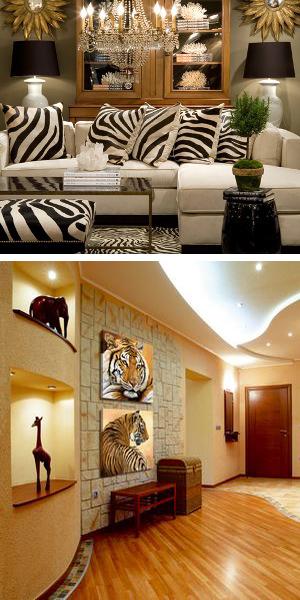



Urban living often demands adapting to smaller residential footprints. As studio apartments and compact urban layouts become standard across metropolitan areas, homeowners and renters face the challenge of maximizing living space without sacrificing comfort or cluttering their rooms. Achieving an open, organized home in restricted square footage requires moving beyond traditional interior design strategies.
Smart storage furniture solves these spatial limitations by transforming single-purpose items into multi-functional, space-saving assets. By choosing furniture designed with integrated storage, hidden compartments, modular flexibility, and transformational mechanics, residents can convert compact rooms into practical, orderly living environments.
The Evolution of Space-Saving Furniture Design
Compact living is no longer a temporary sacrifice; it represents a long-term urban lifestyle. Furniture design has evolved from basic collapsible tables and utilitarian folding chairs into engineered, aesthetically sophisticated systems. Today, space-saving furniture combines high-end material finishes with concealed mechanisms, enabling pieces to change function smoothly without disrupting room balance.
Smart storage furniture maximizes spatial utility through three core strategies:
-
Dual-Purpose Functionality: Furniture pieces perform two or more primary functions, such as a bed frame containing integrated dresser drawers or a coffee table elevating into a work desk.
-
Vertical Space Utilization: Design solutions leverage tall wall profiles rather than expanding across valuable floor area.
-
Concealed Storage Integration: Internal cavities, soft-close drawers, and hidden panels conceal daily household items, keeping visual surfaces clean and clutter-free.
Living Room Solutions: Transforming Central Spaces
The living room serves multiple functions in a small apartment, acting as an entertainment area, social lounge, home office, and occasional dining room. Incorporating smart storage pieces preserves floor space while keeping essential items accessible.
Storage Ottomans and Bench Seating
Storage ottomans offer high spatial efficiency in compact living rooms. Serving as footrests, extra seating, or side tables, these units conceal hollow internal compartments. They are ideal for storing heavy throw blankets, extra pillows, board games, or seasonal items. Similarly, entryway benches built with lower shoe racks or flip-top seats provide organized entry storage without restricting entry halls.
Convertible Lift-Top Coffee Tables
Standard coffee tables often become magnets for visual clutter. Convertible lift-top coffee tables solve this by using mechanical hinges that raise the top surface forward and upward to standard desk height. This transition creates an ergonomic workstation or dining surface while revealing a large storage well beneath the table top. Many modern lift-top models also feature side drawers and open lower shelving for electronic accessories, books, and remote controls.
Modular Storage Sofas
Sofas represent one of the largest physical footprints in any living area. Modular sofas maximize this footprint by embedding storage capacity directly within their structural frames. Chaise lounges with hydraulic lift seats offer substantial storage space for extra linens, luggage, or winter coats. Additionally, modular seating sections can be rearranged or expanded as spatial requirements change over time.
Bedroom Storage Innovations: Reclaiming Sleeping Areas
Bedrooms in compact apartments often lack space for standalone dressers, wardrobes, and nightstands. Integrating storage directly into bedroom furniture frees up floor space while keeping wardrobe items organized.
Hydraulic Lift-Up Platform Beds
While platform beds with pull-out drawers are common, drawers require significant floor clearance on either side of the frame to open fully. Hydraulic lift-up beds solve this clearance issue. A gas-lift mechanism allows the mattress base to rise effortlessly, exposing the entire footprint beneath the mattress as a clean, continuous storage hold. This concealed space easily accommodates oversized items like bulk bedding, off-season clothing, and travel suitcases.
Headboards with Built-In Storage and Power Outlets
Replacing traditional decorative headboards with functional storage headboards reclaims underutilized wall space behind the bed. Modern headboard designs incorporate recessed shelving, sliding door cabinets, pull-out side trays, and integrated USB power hubs. These features eliminate the need for bulky nightstands, providing dedicated space for reading material, glasses, and device charging cables.
Wall-Mounted Fold-Down Desks
In studios where a dedicated home office is impractical, wall-mounted fold-down desks—often referred to as floating murphy desks—provide an effective workstation. When closed, these units sit flat against the wall as compact cabinets. Unlatched, the front panel lowers into a sturdy writing desk, exposing interior shelves for laptops, notebooks, and office supplies.
Dining and Kitchen Flexibility: Expandable Solutions
Kitchens and dining areas in compact apartments often lack dedicated pantries and room for full-sized dining sets. Flexible storage furniture ensures you can entertain guests without permanently blocking central walkways.
-
Drop-Leaf and Extendable Dining Sets: Drop-leaf tables allow table sides to fold down when not in use, converting a four-person dining surface into a narrow console table. Modern variations include internal storage drawers inside the table base to hold folding dining chairs.
-
Rolling Kitchen Islands with Storage: Mobile kitchen carts equipped with lockable caster wheels provide extra countertop workspace and lower storage shelves. These units act as functional food preparation stations when cooking and easily roll into a corner or pantry closet when clear floor space is needed.
-
Nested Stools and Table Configurations: Nesting furniture sets allow smaller seats or side tables to slide completely underneath a primary table frame, consolidating multiple pieces into a single compact footprint.
Vertical and Wall-Mounted Storage Systems
Floor space is a finite resource in compact apartments, making vertical wall area critical for expansion. Smart vertical furniture draws the eye upward, creating an illusion of ceiling height while offering organized storage capacity.
Floating wall shelves, ladder bookcases with built-in lower cabinets, and modular wall tracks allow custom storage configurations tailored to specific room layouts. By lifting storage structures off the floor, light flows underneath, making small rooms appear larger and less congested.
Key Considerations Before Buying Compact Furniture
Selecting smart storage furniture requires careful planning to ensure pieces fit your specific apartment dimensions and functional needs.
-
Accurate Spatial Measurement: Measure wall lengths, doorway widths, ceiling heights, and clearance zones for opening drawers or expanding tables before purchasing.
-
Material Quality and Weight Capacities: Heavy-use convertible mechanisms, such as lift-top tables and hydraulic beds, require sturdy hardware, solid wood, or heavy-duty steel frames to ensure long-term durability.
-
Aesthetic and Visual Weight: Choose furniture featuring slender legs, lighter wood tones, or neutral finish colors. Pieces with high visual transparency prevent small rooms from feeling overcrowded.
Frequently Asked Questions
Are hydraulic lift beds difficult to operate with a heavy mattress?
Modern hydraulic lift beds utilize industrial gas-strut pistons engineered to counterbalance the weight of heavy mattresses, including dense memory foam models. Once you initiate the upward pull, the gas pistons assist the movement, allowing the platform to rise smoothly with minimal physical effort. Releasing the bed requires light downward pressure, securing the base safely back into its flat frame position.
How can renters use wall-mounted storage furniture without losing security deposits?
Renters can use freestanding vertical storage systems, such as ladder desks, tension-rod shelving systems, or modular bookcases, which rest securely against walls without heavy anchor bolts. For lightweight floating shelves, heavy-duty adhesive wall anchors or minimal screw installations require only minor spackling and touch-up paint prior to lease move-out, preserving wall integrity and security deposits.
What furniture finishes make a compact apartment feel larger?
Lighter finishes like natural oak, pale ash, white lacquer, and soft neutral greys reflect natural light, making small rooms feel expansive. Incorporating furniture with mirrored panels, glass surfaces, or high-gloss finishes creates depth through light reflection. Additionally, furniture raised on slender wooden or metal legs allows light to pass underneath, reducing visual density compared to solid, floor-bound cabinets.
How do I prevent hidden furniture storage compartments from becoming cluttered?
Prevent internal storage compartments from becoming cluttered by using modular organizational inserts, clear acrylic bins, and fabric dividers inside deep drawers and lift-top wells. Assigning specific storage categories to each compartment prevents small items from mixing. Periodically auditing hidden storage spaces ensures seasonal or unused items do not collect indefinitely in concealed furniture spaces.
Can floating wall desks support heavy desktop computers and monitors?
Floating wall desks can support desktop computers provided they are anchored directly into wooden wall studs using heavy-duty lag bolts. Most floating desks rely on structural steel brackets designed to support specified weight limits, typically ranging from 50 to 100 pounds. Avoid installing heavy-workstation floating desks solely into hollow drywall using light plastic anchors, as this risks structural failure.
Is modular storage furniture worth the higher initial investment?
Modular storage furniture provides long-term value because it adapts easily to changing residential layouts. Unlike rigid, single-purpose furniture, modular units can be reconfigured, expanded, or separated to fit different spatial footprints when moving to a new apartment. This structural versatility extends the lifespan of your investment, reducing the need to replace furniture as your living arrangements evolve.
What is the ideal furniture layout for a long, narrow studio apartment?
In long, narrow studio apartments, arrange storage furniture along one primary wall to maintain an uninterrupted walkway along the opposing side. Utilize multi-functional zoning pieces, such as an open, two-sided shelving unit placed perpendicular to the wall, to separate sleeping areas from living zones without blocking natural window light. Choose slender, low-profile furniture to preserve central open floor space.