


Introduction: More Than Just a Place to Sit
Furniture is not merely a utilitarian element in our lives. It is the silent architect of our personal spaces—the soul of a room, a reflection of culture, a testimony to craftsmanship, and, in many ways, an expression of who we are. From a well-worn leather armchair to a minimalist Scandinavian dining table, furniture embodies both the practical and the poetic.
A Brief History: Tracing the Evolution of Furniture
The origins of furniture date back thousands of years, with archaeological finds revealing wooden chairs, beds, and storage chests from Ancient Egypt. The Greeks and Romans introduced refined aesthetics, with elegant curves, inlays, and ornamentation. Over centuries, styles flourished and faded with societal changes—from the opulence of Baroque and Rococo to the stark rationality of Bauhaus and Mid-Century Modernism.
Each era brought with it a new philosophy of design:
-
Victorian furniture: Ornate, dark woods, a sense of grandeur
-
Art Deco: Bold lines, rich materials, geometric patterns
-
Modernism: Function over form, clean silhouettes, industrial materials
-
Contemporary: Blends various influences, focuses on sustainability and innovation
The Language of Materials: Crafting with Intention
Furniture owes much of its character to the materials from which it is made. Wood remains a classic choice, from oak and walnut to teak and ash, each lending a unique grain and tone. Metal adds an industrial edge, while glass offers a whisper of transparency and elegance. Fabrics—linen, velvet, leather—introduce texture and mood.
Modern artisans increasingly explore sustainable options, repurposing reclaimed wood, using bamboo, or integrating recycled plastics and metals into contemporary pieces.
Popular Material Choices:
-
Wood: Timeless, durable, organic warmth
-
Metal: Strong, sleek, adaptable to modern aesthetics
-
Glass: Light-enhancing, elegant, ideal for smaller spaces
-
Upholstery: Adds comfort, softness, and a tactile dimension
Furniture as Art: A Celebration of Design
While functionality is a prerequisite, great furniture transcends mere use. A well-designed chair can stand as a sculpture; a sideboard may become a canvas for marquetry or lacquered storytelling. Designers like Charles and Ray Eames, Le Corbusier, and Eileen Gray transformed furniture into artful icons, where form danced in harmony with function.
Today’s high-end furniture markets place immense value on craftsmanship. Hand-cut dovetails, hand-stitched upholstery, and custom finishes elevate ordinary pieces into heirlooms. Limited edition collections and collaborations between designers and artists are redefining the boundaries between furniture and fine art.
The Role of Furniture in Interior Spaces
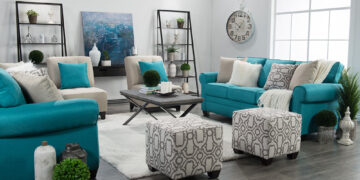
Furniture doesn’t just fill space—it shapes it. A room’s emotional tone is set by its furniture. Consider the quiet authority of a leather Chesterfield, or the calming presence of a minimalist Japanese-style futon. Interior designers use furniture not just to furnish a room, but to tell a story.
Key Considerations in Furniture Placement:
-
Proportion: Scale pieces to the room to avoid overcrowding or underutilization
-
Balance: Create visual harmony through symmetry or purposeful asymmetry
-
Focal Points: Highlight a central piece—like a designer sofa or antique armoire
-
Flow: Arrange furniture to encourage natural movement and conversation
Function Meets Innovation: The Future of Furniture
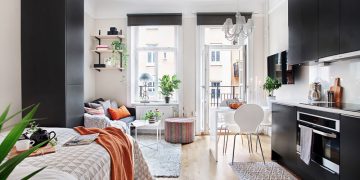
As lifestyles evolve, so too does the need for multifunctional, adaptable furniture. With urban living demanding smarter use of space, designers are creating hybrid pieces—sofas that become beds, desks that fold into walls, dining tables that double as workstations.
Technology is also reshaping the industry:
-
Smart Furniture: Embedded charging ports, ambient lighting, climate control
-
Ergonomic Designs: Tailored to human posture for health and comfort
-
Modular Concepts: Customizable sections that can be expanded, rearranged, or stored
Sustainability is another defining trend. Conscious consumers are turning to furniture brands that prioritize ethical sourcing, responsible manufacturing, and long-lasting materials.
Furniture and Identity: Personalization and Emotional Connection
Furniture is deeply personal. We form attachments to certain pieces—not just for their comfort, but for the memories they hold. A reading chair passed down generations. A handmade dining table where stories are shared. A bespoke bookshelf that speaks to one’s literary tastes. These are not just objects; they are woven into the fabric of our lives.
More homeowners and collectors are leaning toward personalized furniture—custom dimensions, unique finishes, and one-of-a-kind designs that speak to individual sensibilities.
Bullet Points: How to Choose Timeless Furniture
When investing in furniture, consider these timeless tips:
-
Prioritize quality over quantity: A well-made piece outlives a dozen cheaper ones
-
Understand your space: Measure and plan to avoid mismatched scales
-
Seek versatility: Pieces that adapt to different functions offer better long-term value
-
Blend eras: Mixing vintage with modern creates dynamic, layered interiors
-
Care for your pieces: Proper maintenance ensures longevity and continued beauty
Conclusion: Furniture as a Living Legacy
Furniture, at its best, is a bridge—between function and form, past and present, craft and culture. It shapes our environment and enriches our everyday experiences. Whether one is curating a new space or simply adding a thoughtful touch, choosing furniture with intention transforms rooms into homes, and homes into stories.
As tastes evolve and technologies advance, furniture remains a testament to our desire for beauty, comfort, and meaning—crafted not just for life, but for living well.