

Flooring serves as the structural foundation of interior architecture. It anchors a room’s visual identity, endures continuous foot traffic, and withstands daily exposure to moisture, impacts, and abrasion. Among available flooring materials, tile remains a premier choice for homeowners and interior designers seeking a balance of long-term durability and refined design. Modern ceramic, porcelain, and natural stone tiles offer unprecedented longevity without sacrificing luxury, color variance, or texture.
Selecting the right tile involves assessing material engineering, slip resistance, water absorption rates, and spatial layout possibilities. By understanding how high-performance tile formulations intersect with contemporary layout techniques, you can transform functional floors into sophisticated, enduring surfaces.
Engineering Performance: Porcelain vs. Ceramic vs. Natural Stone
Before exploring visual patterns and stylistic aesthetics, evaluating the physical properties of tile materials ensures your selected surface performs under specific environmental conditions.
Porcelain Tile: The Benchmark for High-Traffic Resilience
Porcelain tile belongs to the ceramic family, but it is manufactured using finer, highly refined clay mixed with feldspar and quartz. It is fired at extreme temperatures exceeding 2,200 degrees Fahrenheit. This intense manufacturing process yields an extraordinarily dense, non-porous material with a water absorption rate under 0.5 percent.
-
Through-Body Composition: Through-body porcelain features continuous color and aggregate composition throughout the tile thickness. Minor chips or scratches remain virtually invisible because the surface color matches the internal core.
-
Extreme Water and Moisture Resistance: Its impervious nature makes porcelain the ideal choice for high-moisture zones including primary bathrooms, walk-in steam showers, laundry rooms, and outdoor patio transitions.
-
High Load Capacity: Porcelain handles high static loads and heavy furniture placement without cracking, making it a reliable solution for main entryways and open-concept kitchens.
Ceramic Tile: Versatile and Workable Elegance
Standard ceramic tile is made from red or white clay fired at lower temperatures than porcelain. While slightly more porous than porcelain, ceramic offers a vast array of glazed finishes, intricate surface patterns, and decorative glazes. It is lighter and easier to cut during installation, making it a practical option for residential spaces with low-to-moderate moisture exposure and light foot traffic, such as guest bedrooms and accent borders.
Natural Stone: Authentic Architectural Distinction
Natural stone tiles—including marble, travertine, limestone, slate, and granite—offer organic luxury that synthetic materials aim to replicate. Each natural stone slab exhibits unique veining, mineral deposits, and subtle color shifts. However, natural stone is inherently porous and requires routine sealing with high-grade penetrating sealers to prevent liquid staining, etching from acidic substances, and moisture damage.
Elegant Design Concepts That Maximize Structural Durability
Combining longevity with refined interior design requires selecting tile styles that transcend temporary trends while delivering superior performance.
Large-Format Porcelain Slabs
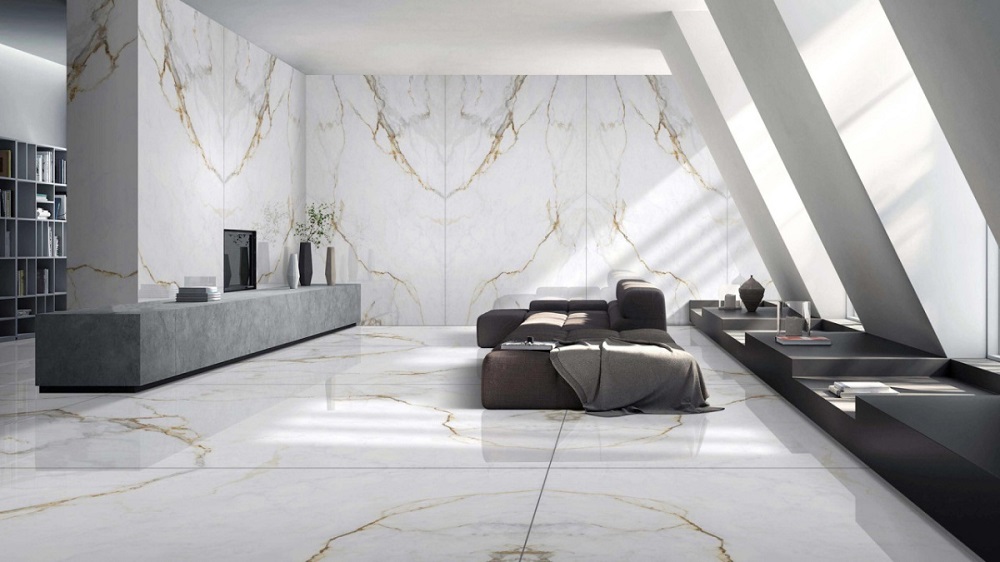
Large-format tiles and ultra-thin porcelain slabs have redefined modern residential interiors. Measuring up to 48 by 110 inches per panel, these expansive tiles create continuous, unbroken visual surfaces.
-
Minimized Grout Lines: Fewer seams between tiles yield a clean, expansive aesthetic that makes small and medium-sized rooms feel larger.
-
Easier Surface Maintenance: Grout lines represent the primary point of dirt collection and moisture absorption. Reducing grout frequency simplifies floor cleaning routines.
-
Monolithic Stone Aesthetics: Large slabs accurately replicate continuous book-matched marble or polished concrete floors at a fraction of natural stone’s weight and maintenance requirements.
Wood-Look Porcelain Planks
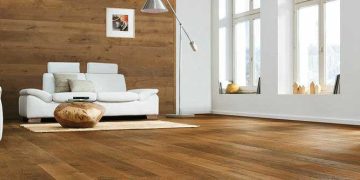
Hardwood floors bring natural warmth to living spaces, but authentic wood is susceptible to scratch damage, water swelling, and warping in wet environments. Wood-look porcelain planks bridge this gap by combining the detailed graining, knots, and textures of real timber with the water resistance and hardness of porcelain.
Engineered with advanced digital ink-jet printing technology, top-tier wood-look tiles replicate species such as white oak, walnut, and weathered barnwood. Installing 6-by-36-inch or 8-by-48-inch planks in high-moisture kitchens, mudrooms, and primary basements provides the visual warmth of natural hardwood without moisture concerns.
Marble-Inspired Glazed Porcelain
Authentic Calacatta and Carrara marbles offer timeless beauty, but their high porosity makes them vulnerable to staining from wine, oils, and household acids. Glaze-printed porcelain tiles mimic the dramatic veining, subtle gray or gold undertones, and polished or honed finishes of rare natural marble. Because the protective glaze layer seals the surface completely, marble-look porcelain maintains its luster without requiring specialized sealers or non-acidic chemical cleaners.
Terracotta and Encaustic-Style Cement Effects
For homes embracing Mediterranean, Southwestern, or rustic farmhouse architectural styles, warm terracotta tiles and patterned encaustic cement effects offer tactile depth. Contemporary manufacturers produce porcelain alternatives that mirror the hand-crafted charm, matte texture, and rich earth tones of traditional clay terracotta and cold-cured cement tiles. These porcelain alternatives eliminate the high porosity and sealing demands associated with unglazed clay or raw cement.
Creative Layout Patterns to Enhance Spatial Dynamics
The arrangement of floor tiles influences how light moves through a room and alters human perception of space. A thoughtful tile pattern elevates a standard rectangular or square tile into a customized architectural feature.
Herringbone and Chevron Patterns
Laying rectangular subway-style tiles or wood-look planks in a herringbone pattern creates directional movement and visual sophistication. The alternating 90-degree interlocking angles draw the eye along the room’s length, making narrow hallways and galley kitchens feel wider. Chevron patterns, which utilize planks cut at precise 45-degree angles to form a clean center point, deliver a refined European parkay aesthetic.
Diagonal and Diamond Layouts
Rotating square tiles 45 degrees relative to surrounding walls creates a diagonal diamond grid. Diagonal layouts break up rigid rectangular room geometries, softening hard structural lines and making small square rooms feel expansive. This pattern works effectively in entry foyers, powder rooms, and central hallways.
Basketweave and Mosaic Inlays
Basketweave patterns interlace rectangular tiles with small square accent cabochons, creating a woven tactile texture. Common in classic, historic, and art deco primary bathrooms, basketweave inlays made from durable marble or porcelain provide excellent slip resistance underfoot due to their higher ratio of grout joints.
Technical Grout Selection and Color Harmony
Grout selection is a crucial structural and visual component of any tile installation. Grout stabilizes tiles, locks them into place, and prevents edge chipping under heavy loads.
-
Epoxy Grout: Unlike traditional cementitious grout, epoxy grout is formulated from epoxy resins and filler powder. It is completely non-porous, waterproof, stain-resistant, and immune to chemical breakdown. Epoxy grout eliminates the need for periodic sealing, making it the ideal choice for high-traffic zones, entryways, and shower floors.
-
High-Performance Cementitious Grout: Polymer-modified cement grouts offer flexibility and improved water resistance over standard cement mixtures. They are suitable for general residential interior floor installations.
-
Grout Color Dynamics: Choosing a grout color that matches the primary tile shade creates a smooth, continuous surface that visually expands the floor area. Selecting a contrasting grout color highlights individual tile geometries and emphasizes complex layout patterns like herringbone or basketweave.
Integrating Radiant In-Floor Heating Systems
Tile possesses high thermal conductivity and thermal mass, making it the ideal floor covering to pair with electric or hydronic radiant in-floor heating systems. While bare tile can feel cool underfoot during winter months, embedded heating cables or warm-water tubing distribute gentle, uniform radiant heat upward through the floor.
Radiant heating operates quietly, eliminates airborne dust circulated by forced-air heating vents, and maintains comfortable floor temperatures across tile installations in primary bathrooms, open kitchens, and lower-level basements.
Frequently Asked Questions
What is the PEI rating, and why is it important when choosing durable floor tile?
The Porcelain Enamel Institute (PEI) rating measures a glazed tile’s resistance to surface wear and abrasion from foot traffic. Ratings range from PEI 1 to PEI 5. For residential floor installations, choose tiles rated PEI 3 for light-to-moderate traffic areas like bedrooms and bathrooms. For heavy-traffic zones like main entryways, kitchens, and hallways, select tiles with a PEI 4 or PEI 5 rating to ensure the surface withstands abrasive dirt and heavy foot traffic without dulling or scratching.
What is the Dynamic Coefficient of Friction (DCOF) rating for slip-resistant bathroom floor tiles?
The Dynamic Coefficient of Friction (DCOF) measures a tile surface’s slip resistance when wet. According to current American National Standards Institute (ANSI) guidelines, tiles installed on interior level floors intended to be walked on when wet should have a minimum DCOF value of 0.42. For high-moisture areas such as steam showers, pool decks, or wet rooms, choose textured or matte-finish tiles with a DCOF rating of 0.50 or higher to maximize safety and footing stability.
How do rectified tiles differ from traditional unrectified tiles?
Rectified tiles are mechanically cut and precision-machined along all four edges after the firing process. This engineering step yields exact dimensional uniformity and crisp, 90-degree squared corners on every tile. Because rectified tiles feature perfectly uniform dimensions, tile installers can lay them with ultra-thin grout lines as narrow as 1/16 of an inch. Unrectified tiles retain slight size variances from the firing kiln, requiring wider grout joints (typically 1/8 to 3/16 of an inch) to absorb dimensional differences.
How often should natural stone tile floors be sealed to maintain durability?
Natural stone tiles, such as marble, travertine, and slate, should generally be treated with a high-grade penetrating sealer every 12 to 18 months, depending on floor usage and exposure to moisture. High-traffic areas or bathroom floors exposed to daily water may benefit from annual sealing. You can perform a simple water test by placing a few droplets on the stone: if the water absorbs and darkens the tile within five minutes, it is time to reapply a penetrating sealer.
Can floor tiles be installed directly over an existing hardwood or vinyl subfloor?
Floor tile should never be installed directly over flexible hardwood planks or cushioned vinyl flooring, as subfloor flexing under load will crack the tiles and break grout joints. Successful tile installation requires a stable, rigid subfloor assembly with minimal deflection. Wood subfloors typically require a layer of cement backer board or an uncoupling membrane installed over structural plywood prior to applying thin-set mortar and laying tiles.
How do I clean and maintain high-traffic porcelain tile floors without damaging the surface?
Maintaining porcelain tile floors requires sweeping or vacuuming with a soft-brush attachment to remove abrasive dust and grit. Mop the floor using a neutral pH cleaner diluted in warm water. Avoid using harsh acidic chemical cleaners, bleach, or ammonia, which can degrade cementitious grout lines over time. For routine maintenance on non-porous glazed porcelain, plain warm water and a clean microfiber mop are sufficient to maintain optical clarity and surface luster.
Why is an uncoupling membrane recommended beneath large-format floor tiles?
An uncoupling membrane is a engineered geometric plastic layer installed between the structural subfloor and the tile mortar bed. It decouples the floor tile from the underlying subfloor, absorbing lateral movement caused by building expansion, temperature swings, and humidity fluctuations. Using an uncoupling membrane beneath large-format tiles prevents stress cracks in the subfloor from transferring upward and cracking the rigid tile slabs or grout joints above.