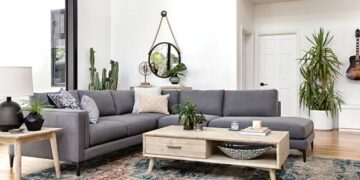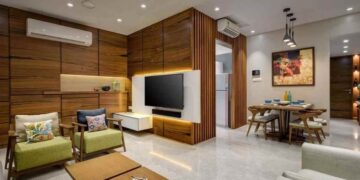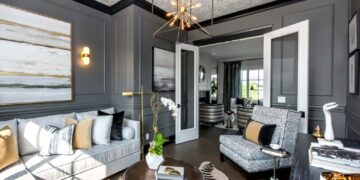


Interior design does not require adhering strictly to a single historical era or minimalist movement. Homes that rely exclusively on traditional decor can sometimes feel overly formal or dated, while spaces decorated solely in contemporary items risk appearing sterile or lacking character. Blending traditional and contemporary design elements—often referred to as transitional or eclectic mixing—creates a layered, sophisticated interior that reflects personal history alongside modern utility.
Successfully merging these two opposing design languages requires intentionality, balance, and an understanding of spatial relationships. Traditional design brings warm architectural moldings, rich wood grains, carved detailing, and classic proportions. Contemporary design introduces clean lines, uncluttered silhouettes, innovative materials, and neutral color bases. Combining them allows you to preserve heritage items while maintaining an open, functional, and current living space.
Understanding the Core Differences Between Design Styles
Before attempting to mix traditional and contemporary styles, it is essential to recognize the defining characteristics of each discipline. Identifying these core attributes helps you evaluate how individual pieces interact within a single room.
Traditional Interior Design Characteristics
Traditional style draws inspiration from eighteenth- and nineteenth-century European interiors, including Georgian, Victorian, Neoclassical, and French Country aesthetics.
-
Ornamental Detailing: Features intricate woodwork, crown molding, wainscoting, carved chair legs, and decorative tufting.
-
Rich Color Palettes: Incorporates deep, saturated tones such as navy, burgundy, forest green, warm gold, and rich walnut wood stains.
-
Symmetrical Arrangements: Emphasizes formal balance, often arranging furniture, wall art, and lighting fixtures in matching pairs across a central focal point.
-
Heavier Fabrics: Utilizes structured, luxurious textiles including damask, velvet, brocade, and tailored linen.
Contemporary Interior Design Characteristics
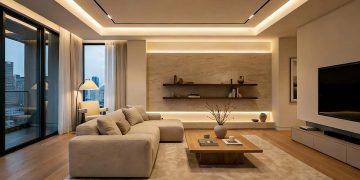
Contemporary design reflects current, late-twentieth to twenty-first-century living standards. It emphasizes simplicity, functional efficiency, and light-filled spatial openness.
-
Streamlined Silhouettes: Highlights clean horizontal and vertical lines, geometric profiles, and low-slung, unadorned furniture forms.
-
Neutral Base Palettes: Anchors spaces in crisp whites, soft grays, warm taupes, and muted black accents.
-
Asymmetrical Layouts: Favors dynamic, relaxed spatial arrangements over strict pair-matching balance.
-
Mixed Modern Materials: Incorporates smooth surfaces like polished metal, clear glass, engineered quartz, molded plastics, and matte ceramics.
The 80/20 Rule: Establishing Style Dominance
A frequent mistake when blending design styles is attempting a fifty-fifty split between traditional and contemporary pieces. Equal proportions often cause visual friction, leaving a space feeling confused rather than cohesive. Interior designers commonly apply the 80/20 rule to maintain visual hierarchy.
Under this framework, choose one style to serve as the primary foundational base, accounting for roughly eighty percent of the room’s visual footprint. The remaining twenty percent consists of the secondary style, introduced through targeted accent pieces, lighting, artwork, or textiles.
If your home features classic architectural details like detailed plasterwork, original hardwood floors, and multi-pane windows, let traditional architecture form your eighty percent base. You can then introduce contemporary sofas, streamlined glass coffee tables, and modern track lighting across the remaining twenty percent to instantly update the space. Conversely, in a modern, open-concept apartment with smooth drywall and concrete floors, modern furniture serves as the base, while an antique wooden dining table or ornate gold-framed mirror provides the classic accent layer.
Balancing Form, Scale, and Visual Weight
Harmonizing traditional and contemporary furniture requires balancing visual weight, scale, and surface silhouettes across the floor plan.
Pairing Contrasting Silhouettes
Juxtaposing different structural shapes prevents a room from feeling monotonous. Pair a heavy, carved antique wood console table with a pair of sleek, modern acrylic side chairs or a streamlined metallic table lamp. The clean lines of the contemporary items frame the detailed craftsmanship of the traditional piece, making both elements stand out more effectively than if they were surrounded by items of the exact same era.
Maintaining Consistent Scale and Proportion
While shapes and detailing should contrast, scale must remain consistent. Oversized, plush traditional armchairs can dwarf a low-profile, ultra-sleek contemporary coffee table, creating an awkward spatial mismatch. Ensure seat heights, table surface levels, and overall proportions align closely across your seating groups so that furniture pieces relate comfortably to one another.
Unifying Spaces Through Color, Texture, and Pattern
Color and texture act as the connective tissue that bridges contrasting design eras, weaving disparate items into a single, deliberate narrative.
Using a Cohesive Color Palette
A unified color palette bridges different styles effortlessly. Coating traditional architectural paneling, crown molding, or vintage carved chairs in a modern, high-value neutral paint—such as crisp off-white or deep charcoal—instantly modernizes traditional forms. Conversely, applying a warm, traditional color palette of warm ochres, deep rusts, and muted greens to modern furniture silhouettes grounds contemporary pieces in classic warmth.
Layering Textures and Materials
Mixing materials adds physical depth and tactile interest to blended rooms:
-
Warm Natural Woods and Cool Metals: Contrast a rustic, distressed antique oak dining table with sleek, polished chrome or matte black steel dining chairs.
-
Soft Upholstery and Hard Structures: Pair structured, tailored linen modern sofas with vintage velvet accent pillows or a traditional hand-knotted Persian rug.
-
Glass and Stone Integrations: Use clear glass or polished marble surfaces to lighten the visual weight of heavy, carved mahogany or dark walnut cabinets.
Integrating Artwork and Lighting Across Eras
Artwork and light fixtures serve as excellent transitional tools because they sit at key visual focal points within a room.
Mixing Modern Art with Traditional Settings
Hanging oversized, abstract contemporary canvases or graphic black-and-white photography above a classic fireplace mantel or an antique wooden buffet creates a striking visual statement. The bold, unadorned geometry of modern art tempers the formality of traditional woodwork, making the room feel current and curated.
Incorporating Transitional and Contemporary Lighting
Light fixtures often dictate the overarching era of a room. Replacing an ornate crystal chandelier with a dramatic, multi-arm mid-century or contemporary brass light fixture above a classic dining table instantly transforms the space. Similarly, placing contemporary sculptural table lamps atop vintage bedside dressers introduces modern flair without requiring a complete furniture overhaul.
Frequently Asked Questions
How do I choose an area rug when mixing traditional and contemporary styles?
Select a rug that either grounds the room in a neutral foundation or acts as a bridge between your furniture eras. A traditional hand-knotted Oriental or Persian rug featuring muted, faded colors brings warmth and historical grounding beneath sleek contemporary sofas. Alternatively, a modern geometric or high-texture wool rug in a solid neutral tone provides a clean background that highlights detailed, antique wood furniture pieces.
Can I paint antique wooden furniture to make it fit a contemporary room?
Yes, painting worn or dark antique wood furniture is an effective way to update its look for a modern space. Applying a smooth matte or satin coat of paint in white, gray, navy, or black softens heavy ornamental carving while preserving the piece’s classic silhouette. However, avoid painting rare, high-value antiques or items with beautiful, well-preserved wood grains; instead, clean and refinish the natural wood and balance it by adding modern accessories around it.
How do I handle window treatments in a blended traditional and contemporary space?
Keep window treatments simple and tailored to avoid overwhelming the space. Combine classic floor-to-ceiling drapery panels made from natural linen or matte cotton with clean, modern hardware like simple thin black or brass metal rods. Avoid heavy, overly ornate valances or complex fringe trims. Plain, full-length drapery panels provide traditional elegance and warmth while maintaining the clean lines favored in contemporary design.
What is the best way to blend different wood finishes in a single room?
Mixing wood tones is key to creating a curated, lived-in feel, but it requires managing undertones. Group woods by their underlying temperature—pairing warm tones like oak, walnut, and cherry together, or cool tones like gray-washed woods and dark ebony. Choose one dominant wood tone for major surfaces like flooring or large tables, and introduce secondary wood finishes through smaller accent tables or chair frames, ensuring sufficient contrast so the mix looks intentional rather than like an accidental mismatch.
How do I prevent a room from feeling overly cluttered when combining styles?
To prevent visual clutter, prioritize open negative space and limit decorative accessories. Because traditional design includes detailed patterns and ornamentation, balance those elements with simple, clean contemporary surfaces. Use hidden storage to keep everyday items out of sight, restrict decorative display items to small, curated groupings, and ensure clear traffic paths between furniture pieces to maintain an open spatial feel.
How do I blend traditional fireplace mantels with modern entertainment technology?
To integrate modern technology with a traditional fireplace, mount a flat-screen television directly above the mantel using a slim, low-profile wall mount or a specialized frame TV that displays artwork when turned off. Frame the television with clean, symmetrical built-in shelving or simple sconces. Conceal all electronic wiring, power cables, and media boxes behind drywall or inside lower built-in cabinets to keep the focus on the architectural mantel.
Is transitional design the same thing as blending traditional and contemporary styles?
Transitional design is a specific interior design style that synthesizes traditional and contemporary elements into a unified, cohesive look. While blending styles can sometimes mean placing a purely antique chair next to an ultra-modern desk, transitional design focuses on single furniture pieces and finishes that themselves embody a middle ground—such as a classic wingback chair updated with clean lines, smooth curves, and neutral, unpatterned fabric.