


Key Takeaways
Small white worms typically measure between 1/16 and 1 inch in length, possessing soft bodies that often thrive in damp environments such as kitchens and basements. Early detection is essential for effective management.
Moisture-rich settings often trigger the proliferation of these worms, often fueled by decaying organic matter along with available food sources in residential spaces.
The life cycle reveals that small white worms hatch from eggs in moist conditions, feed on organic debris, and they tend to be nighttime foragers.
In Massachusetts, seasonal shifts—especially spring and summer rains—can heighten worm activity due to increased humidity levels.
Vacuuming, using vinegar solutions, and applying borax are effective removal strategies, though consistent application is crucial for lasting prevention.
For long-term management, sealing cracks, fixing plumbing leaks, and improving ventilation will help significantly decrease moisture levels in the home.
Professional pest control services might offer customized solutions along with thorough inspections, particularly beneficial in cases of severe infestations, ensuring a more thorough treatment approach.
Identifying Small White Worms: Signs of Infestation in Your Home
Recognizing the Distinct Characteristics of Small White Worms
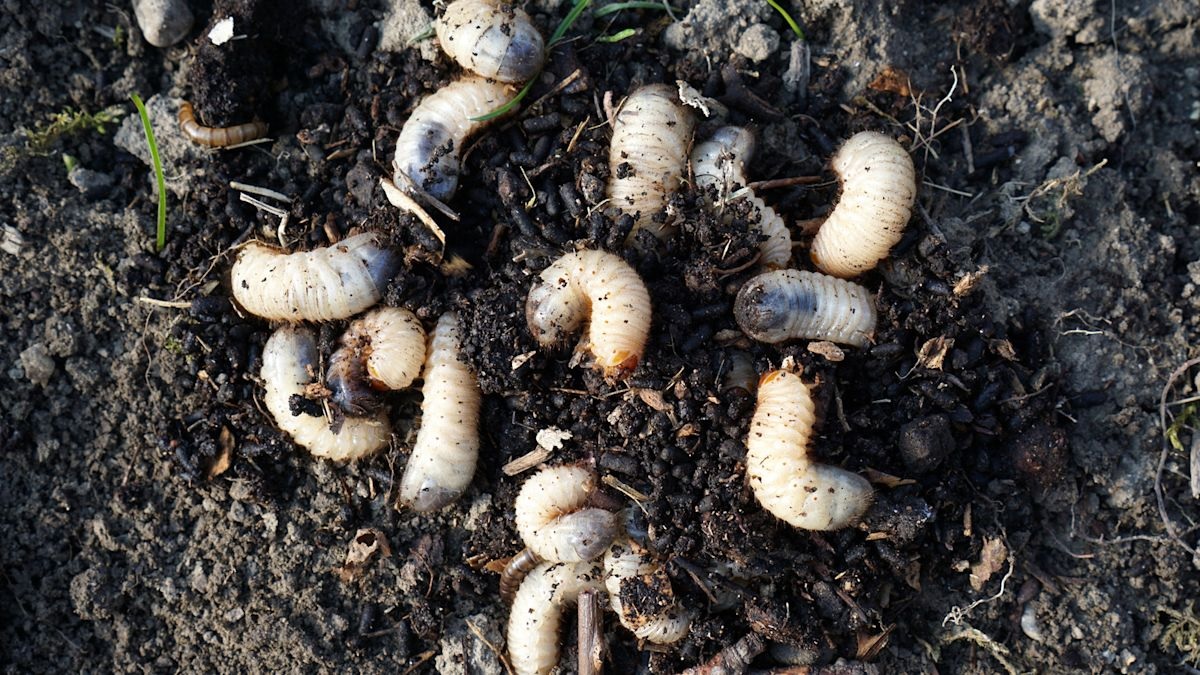
Small white worms can frequently be mistaken for innocuous larvae or simple debris. However, understanding their distinct characteristics is vital for proper management. Typically, these worms measure about 1/16 to 1 inch long, often wriggling in various household settings. Soft-bodied, they typically appear white or translucent, and may present a segmented look. Their appearance could easily mislead homeowners into thinking they are merely dust mites or benign pests.
Performing a thorough inspection is essential. Search for small, white, slender forms moving through damp areas—kitchens, basements, or bathrooms are common hotspots. It’s helpful to keep in mind that these worms prefer concealed spaces, hidden among clutter or in less frequented corners. If their presence is suspected, swift action is necessary to avoid escalation into more serious infestations.
Common Areas in Massachusetts Homes Where These Worms Thrive
Identifying where small white worms commonly inhabit can facilitate early detection. Typical problem areas often include:
- Under sinks
- Near drains or sewage lines
- Basements and crawl spaces
- In and around plants or potting soil
Watch these areas closely. Worms tend to be attracted to the moisture and darkness, and their presence often indicates more significant underlying issues.
Understanding the Lifecycle and Behavior of Household Worms
The life cycle of these worms is both intriguing and alarming. Most of them emerge as larvae from eggs laid in moist environments. Once hatched, they sustain themselves by consuming organic matter, like decaying leaves and leftover food. Observing their behavior aids in predicting movements. Active primarily at night, small white worms prefer to stay hidden away during daylight hours. Their survival hinges on finding food and moisture swiftly, underscoring the urgent need to manage dampness in the home, which invites these unwelcome guests.
While worms can thrive under various conditions, reducing moisture levels can significantly shorten their lifespan.
The Root Causes of Small White Worm Infestations
Exploring the Most Frequent Triggers for Worms in Homes
Numerous factors can instigate infestations within Massachusetts residences. Most often, these issues correspond to:
- Excess moisture
- Decaying organic matter
- Food sources within the home
Small white worms in the house often stem from ample food and moisture. Therefore, controlling these elements may significantly reduce their prevalence.
How Weather and Seasonal Changes Influence Worm Activity
Seasons also play a crucial role. For instance, warmer temperatures combined with damp conditions frequently create optimal breeding environments for these pests. In Massachusetts, the spring and summer rains tend to elevate their activity levels. As humidity rises, many homeowners notice an upsurge in these bothersome visitors. Seasonal changes shouldn’t be overlooked; they can considerably affect worm populations indoors.
By keeping an eye on weather patterns, homeowners can better anticipate potential infestations. Proactive measures can often make a significant difference.
The Role of Moisture and Decay in Attracting Worms
Moisture and decay are indispensable components of a worm-friendly habitat. Things like leaky pipes, overly damp soil from potted plants, or even leftover food can easily turn an ordinary room into a breeding ground for these pests. Keeping areas dry and devoid of decaying materials puts homeowners in a much better position to deter these worms effectively.
Statistics indicate that approximately one in three homes faces moisture issues, making them prime candidates for pest infestations.
Maintaining a dry home isn’t just smart—it’s absolutely necessary.
Effective Strategies for Removal and Prevention of Small White Worms
Proven Techniques to Safely Remove Worms from Your Home
When confronted with an infestation, it’s vital to act swiftly and decisively. Several techniques are known to effectively eliminate worms:
- Vacuuming the affected areas and disposing of the bag immediately.
- Utilizing a vinegar and water mixture as a natural deterrent.
- Forming a borax solution that can be sprinkled in infested locations.
These approaches can yield immediate relief. However, regular application is key to preventing future outbreaks. Thoroughness and consistency are paramount.
Long-Term Prevention Tips to Keep Your Home Worm-Free
Developing long-term prevention strategies empowers homeowners to tackle potential infestations proactively. Here are some actionable suggestions:
- Seal any cracks and gaps in walls and foundations to prevent moisture intrusion.
- Regularly inspect and repair leaks in plumbing.
- Enhance ventilation in basements and crawl spaces to minimize humidity.
Implementing these preventive measures will help ensure homes do not evolve into breeding grounds for pests. It’s all about diligence and taking necessary precautions beforehand.
Expert Recommended Products and Solutions for Pest Control
No one should have to face this irritating issue alone. Consulting with professionals often reveals expert recommended products that are effective. Certain pest control solutions specifically target small white worms. These include:
- Insecticide sprays formulated for larvae.
- Granules that can be applied around areas susceptible to infestations.
- Natural remedies such as diatomaceous earth, which disrupt the worms’ exoskeletons.
Utilizing appropriate products can transform infested areas into worm-free sanctuaries.
When to Call in the Professionals for Worm Control
Understanding the Benefits of Professional Pest Control Services
In some cases, a do-it-yourself approach may just not cut it. For complex infestations, enlisting the help of professional pest control services can be invaluable. Experts provide specialized solutions tailored to the specific situation. Their extensive experience often yields quicker results—a significant plus for those grappling with severe infestations.
Additionally, relying on experts promotes peace of mind. Clients greatly appreciate comprehensive inspections that ensure every corner is scrutinized.
What to Expect During a Professional Inspection and Treatment
During a professional inspection, clients can anticipate a thorough evaluation of their home. This typically involves:
- Visual assessments of affected areas.
- Investigating moisture sources.
- Identifying potential entry points for pests.
The treatment phase may vary, but professionals generally deploy targeted solutions with minimal disruption to daily life. A customized plan often follows to monitor and manage any possible recurrences.
Choosing the Right Pest Control Partner in Massachusetts
Selecting the right pest control partner is crucial. Not every service provides the same expertise; thus, clients should consider several factors:
- Experience with local pests, such as small white worms.
- Client reviews and feedback.
- The efficacy of techniques and products used in treatment.
These aspects should guide the decision-making process. Making an informed choice increases the likelihood of effective pest management. A worm-free environment leads to happier, healthier homes.
FAQ
What additional signs indicate a small white worm infestation?
Besides visible worms, other signs may include small fecal pellets, a musty smell, or damage to organic materials. Homeowners should remain aware that these indicators can hint at larger issues.
How can humidity levels in a home be monitored effectively?
Investing in a hygrometer enables homeowners to monitor humidity levels effectively. Keeping readings between 30-50% is ideal, as anything higher invites worm infestations. Regular checks help maintain a drier environment.
Are there natural methods to prevent small white worms?
Absolutely—natural repellents, particularly essential oils like peppermint or tea tree oil, can help keep these pests at bay. Spraying a diluted mixture in damp areas offers a chemical-free preventive measure.
How often should maintenance checks for moisture sources be performed?
Seasonal checks should be done at a minimum, addressing any potential leaks or damp spots. Homeowners need to be particularly vigilant after heavy rains or snowmelt.
What role do indoor plants play in small white worm infestations?
If indoor plants have overwatered soil or decaying leaves, they can indeed attract worms. Regularly inspecting and caring for plant health can significantly reduce the chances of fungal growth that invites these pests.
Can small white worms survive in food items or pantry goods?
Yes, they can thrive in decomposing food items or pantry goods, especially those stored improperly. To address this risk, regular checks on food storage and keeping pantry areas clean are essential.
Is there a relationship between small white worms and other pest infestations?
Certainly, the existence of small white worms often indicates other pest problems. Moist environments typically attract a variety of pests, including ants and cockroaches, creating a compounded issue for homeowners.
How do seasonal changes influence preventive measures for worms?
Seasonal changes, particularly the increase in rainfall during spring and summer, necessitate greater vigilance. Homeowners should implement additional preventive strategies like improving drainage and routinely checking for leaks during these wetter months.
Useful Resources
- S. Environmental Protection Agency
- Centers for Disease Control and Prevention
- eXtension – National Cooperative Extension System
- National Pest Management Association
- American Society of Agronomy
- Colorado State University – Cooperative Extension
- American Mosquito Control Association
- HomeAdvisor – Pest Control
- Better Homes & Gardens – Home Maintenance